


LINK: New medical simulation center positions Chile as a reference in the region


Equipped with ten simulation environmentsincluding adult, pediatric, and neonatal ICUs, emergency rooms, and surgical wards (conventional, robotic surgery, and minimally invasive) Universidad San Sebastián inaugurated the first high-complexity simulation center focused on patient safety in Latin America.
According to data from the Chilean Society of Healthcare Quality (SOCCAS), 16.3% of adverse events associated with healthcare occur in the Critical Patient Unit. Meanwhile, 22% of medical records present some alert related to adverse events (AE), and 12% of patients experience more than one AE during a clinical process.
While there are policies and regulations in Chile regarding patient safety associated with healthcare and hospital facilities that must be accredited and mandatorily report adverse events, there is still the difficulty of how to train medical teams to reduce the incidence of any unforeseen event or clinical error.
In this context, clinical simulation is key. For this reason, the Universidad San Sebastián opened the first University Center for Advanced Simulation, Innovation and Patient Safety, where health professionals from Chile and Latin America will perfect their skills and techniques, using cutting-edge technology for the benefit of their patients.
The facility located on the Bellavista campus, close to clinics and hospitals, has 1,500 m² spread over two floors that house ten high-complexity clinical and surgical environments.
Follow us on: 
Cutting-edge Technology
On the first floor is the clinical area, motor skills and innovation area with four high-complexity rooms for adult intensive therapies, pediatric, neonatal, and emergency room.
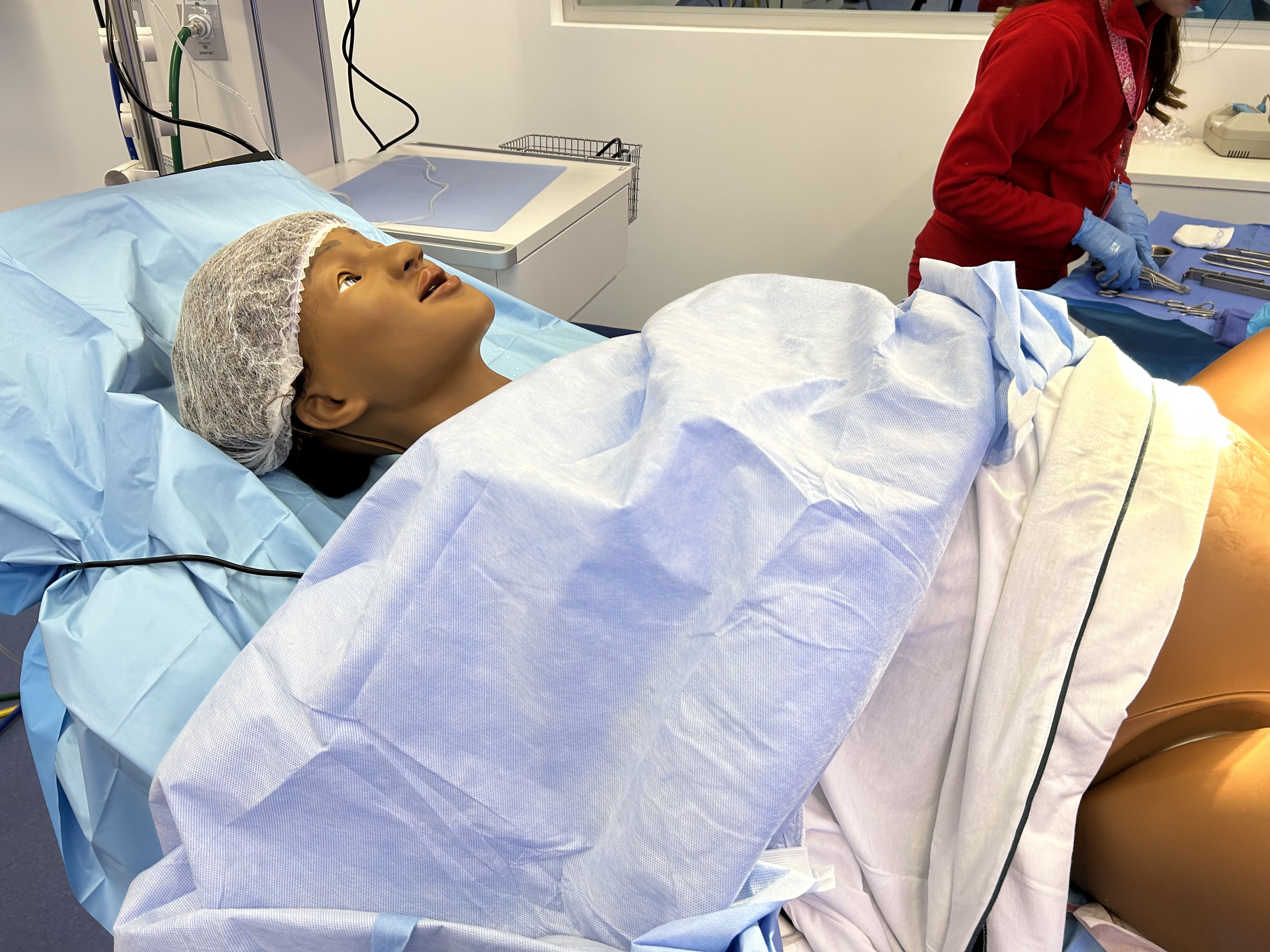
LINK has unique simulators in Latin America, such as the SimMan 3GPLUS for immersive experiences; SimMan Critical Care for training in critical patient care and mechanical ventilation, or the MamaAnne, a full-body, high-tech equipment that includes elements of mixed reality and artificial intelligence.
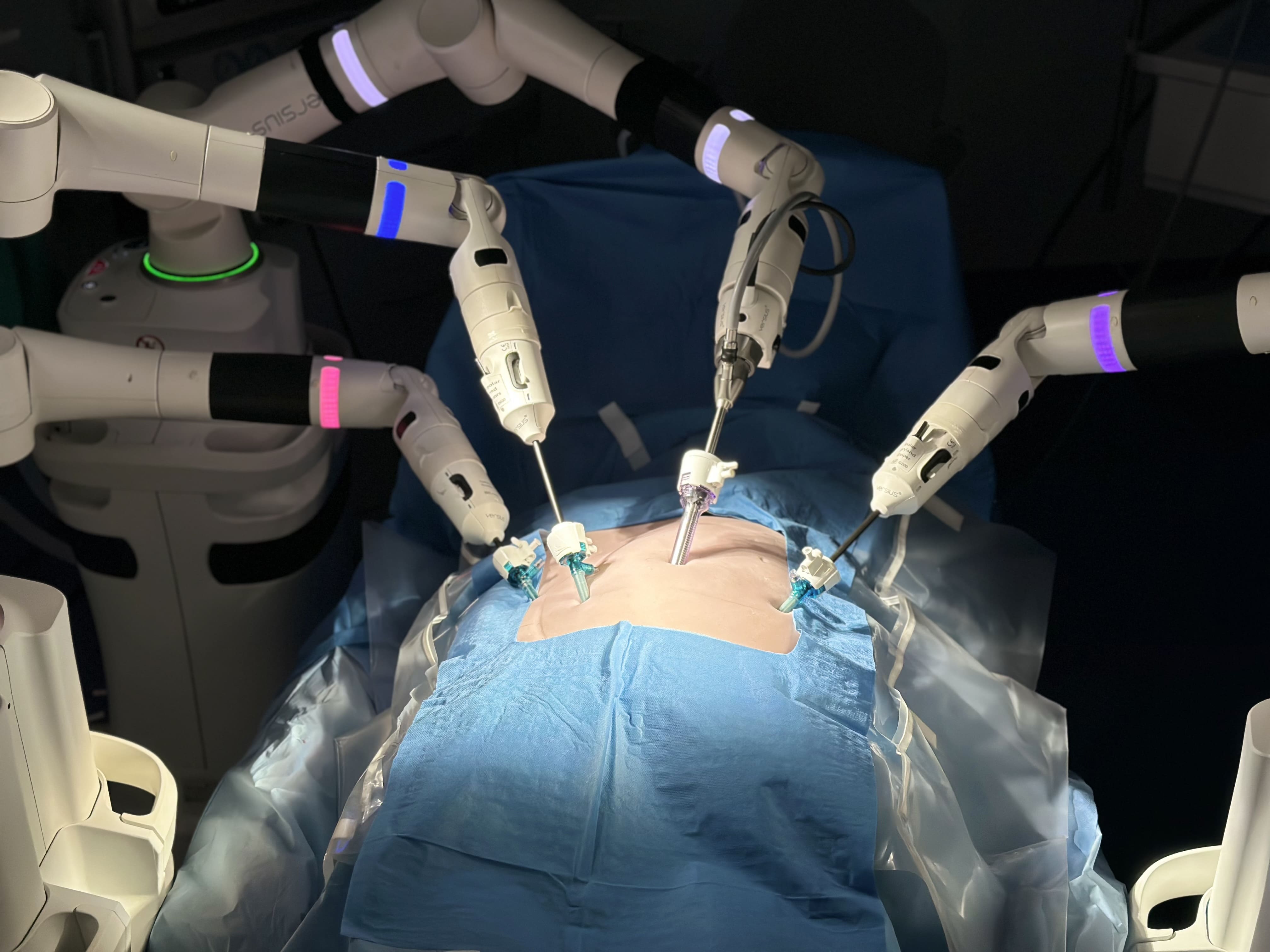
It also consists of a surgical area with two pavilions, including the one for robotic surgery, where professionals progressively train from immersive virtual reality, haptic simulation and the actual operation of the equipment. This space also features laparoscopy towers and minimally invasive surgery simulators where healthcare teams develop motor skills.
"This project arises from the constant need for specialized training, at the highest level, required by those working in healthcare. For the USS, it's a challenge to provide world-class, cutting-edge technology for that purpose. Simulation allows us to improve this training, reduce risks for patients and professionals, and raise the quality standard of teamwork," explains Hugo Lavados, rector of the USS.
"The medical-surgical training will focus on training motor skills and teamwork for specialist doctors and clinical-surgical teams. This will cover everything from relatively simple procedures to robotic surgery. It is a new way to specialize and train postgraduate health professionals in high-complexity training," added Sergio Torres, Executive Director of Clinical Fields at the USS.
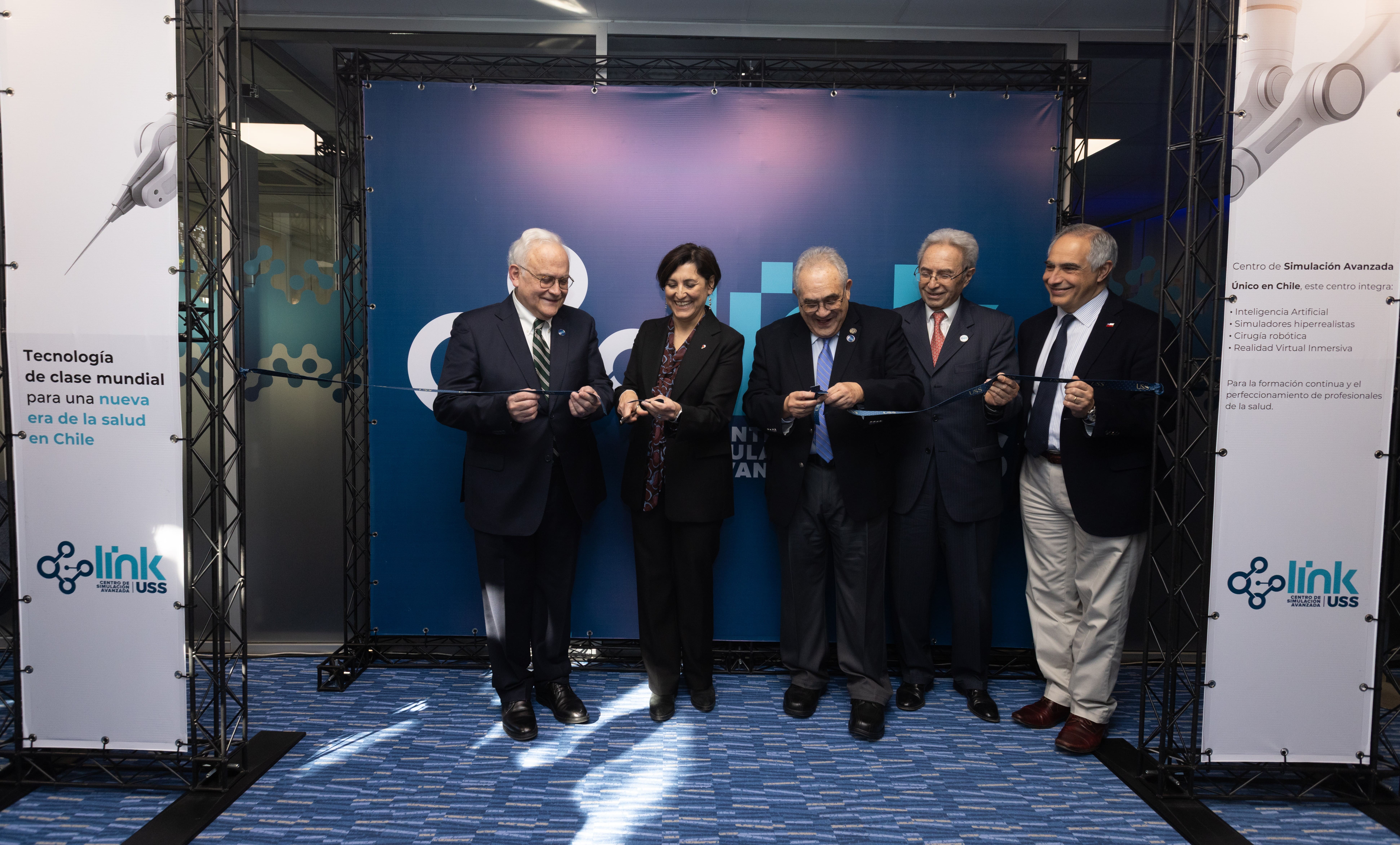
The Center is now available to professionals from clinics, hospitals, and medical centers that require it, becoming a beacon for the continuous improvement of health professionals in the country and Latin America.
Sustainability in Health.
LINK is also research, educational innovation and sustainability in clinical simulation. According to Dr. Andrés Díaz, general director of Simulation and Innovation at USS, "the Center will employ a multidisciplinary team consisting of doctors in cognitive psychology, educational science, mechatronics engineering, industrial engineering and biomedical engineering, who will take real-world health care problems and propose ways to solve them through translational simulation and training with high-complexity simulation".